Visible as a Collective

20.04.2026

The School of Commons (SoC) website operates as a digital garden—a dynamic, collectively tended space that grows in parallel with the learning processes it documents. Rather than serving as a static archive or institutional showcase, the site offers an evolving infrastructure for commons-based knowledge practices, where documentation, communication, and publication are shared, processual, and always in motion.

Drawing inspiration from digital gardens—non-linear, associative platforms for knowledge cultivation (Basu, 2020; Popova, 2021)—the SoC site functions both as a communal resource and a living learning environment. It invites participants to co-create a public-facing record of their work, while simultaneously building and enriching the infrastructural conditions for peer learning and collaborative research.

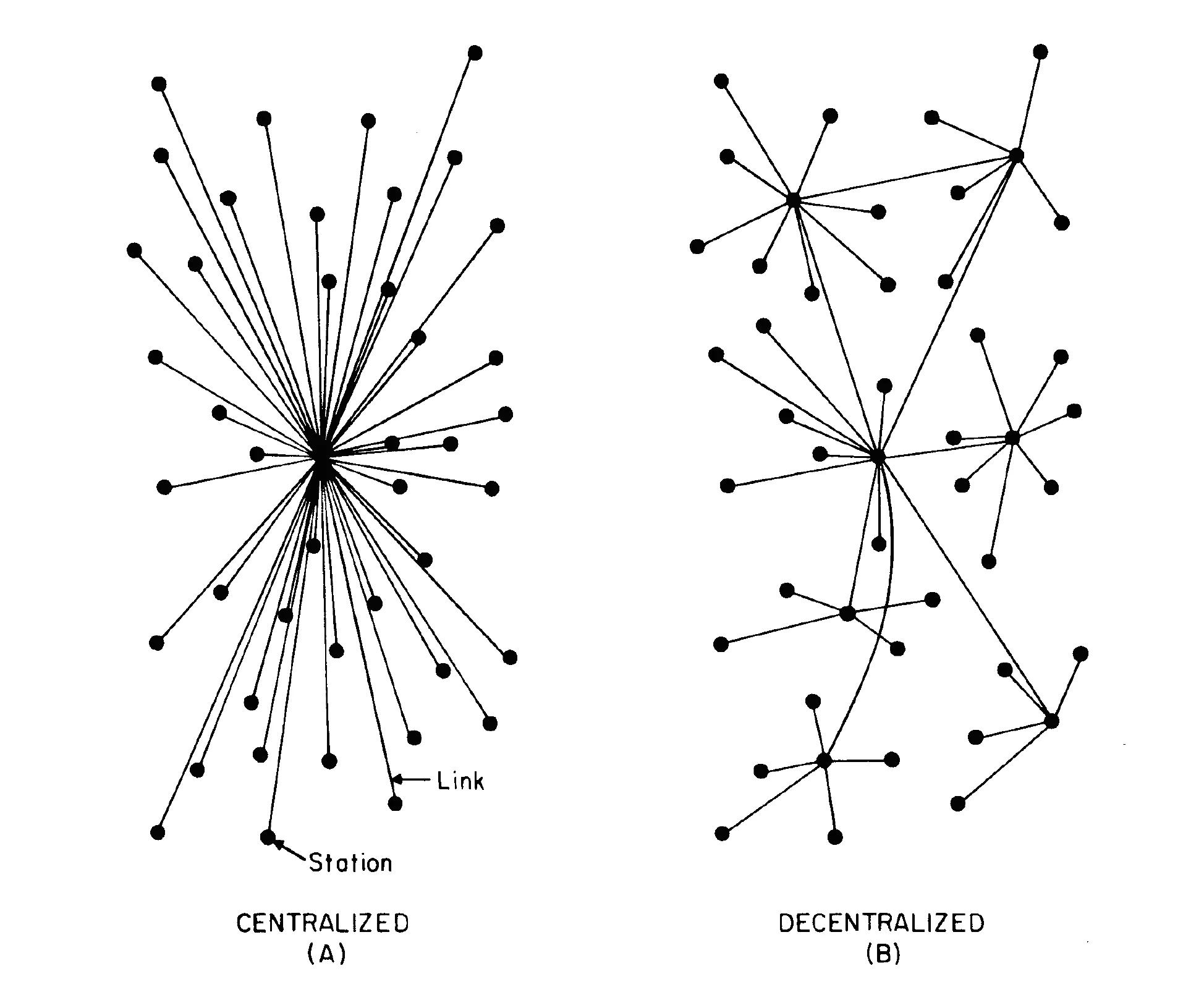
Our garden’s structure is shaped by ongoing research into self-organised knowledge production through commons-based methods and practices. Central to this is our Ways & Workings methodology, which serves as a navigation tool connecting diverse sites of work, practice, and research. This approach transforms traditional, linear content flows into interconnected knowledge landscapes, encouraging exploration through contextual associations rather than rigid publication dates. The site itself is lovingly maintained by our community, and over time, we continue to share insights into its design, framing, and evolving content.

Since our founding in 2017, we have had the privilege of supporting over 150+ collaborative projects across Africa, Asia, Central & South America, Europe, and the Middle East—each engagement shaped and defined by the contributions of our community.

Research at SoC is conducted through peer-based, collaborative endeavours, with members changing annually. Each year brings together a diverse range of participants, guests, and contributors who share their curiosity, skills, and visions. This collaborative framework enables us to connect ideas across disciplines and develop a broader, more integrative understanding of knowledge. Together, we cultivate an ever-evolving resource that reflects the collective and processual nature of learning.

Midri Drophi

Midri Drophi

The Digital Garden Model

  • Non-linear Knowledge Cultivation: Digital gardens encourage associative, non-hierarchical knowledge building, supporting multiple entry points and ongoing connections between ideas.
  • Process over Product: The SoC site foregrounds learning as a process, not a destination. Project spaces are living archives—spaces for notes, reflections, experiments, failures, and iterations.
  • Evolving Infrastructure: The website’s structure adapts to the needs of its users, with page templates and UX patterns informed by the review and manual upload of content from 2019–2024. The 2025 cohort is the first to have direct access, with alumn* introduced to the process via monthly gatherings.

Commons-Based Communication and Publication

  • Co-Authoring the Platform: Participants are invited to contribute content, develop new formats, and shape how their work appears. Alumn* retain access after the programme ends, supporting a durational commons where ideas and resources remain in circulation across cohorts.
  • Open, Processual Documentation: The homepage and project spaces evolve as participants add and revise content, reflecting the collective’s ongoing formation and transformation.
  • Distributed Responsibility: The site’s design supports shared stewardship, with participants encouraged to treat their spaces as collaborative, ever-changing archives.

Key Website Areas

Home

The entryway to the SoC digital garden, offering a welcoming introduction to the learning environment. Features curated highlights and guides visitors through the site’s diverse sections, reflecting the collective’s ongoing growth and transformation.

Events

Showcases our vibrant public programme, including talks, workshops, reading groups, conferences, and social gatherings. Events are organized by community members and designed to foster knowledge sharing and community involvement.

Explore events: Visitors can search and filter events using the following options:

  • types: Alumn*, Lab, Programme, Project
  • region: Africa, Central America, Europe, Online, Worldwide
  • category / ways & workings: Aesthetic Form, Anecdote, Archive, Artistic Research, Assembling, Cathedral Thinking, Collation as Crisis Management, Commoning, Commons-based methods and practices, Conference, Coping, Critical Healing, Curatorial Research, D.I.W.O (Do it with others), Deep Hanging Out, Dialogic Decolonial Pedagogic Practice, Dreaming, Ecology, Exchange, Exhibition, Feelings, Figuring It Out, Gathering, Geographies of Self, Guilt & Shame, Hapticality, Hydrofeminism, I is for Impasse, Inclusi(vE)Space, Installation, Intervention, Inventions of the Unknown, Kitchen Session, Launch Event, Learning Environment / Spaces of Knowledge, Lecture, Listening Session, Live Action Role-Playing (LARP), Low Theory, Methods for knowledge decentralisation, Mutual Aid, Open Call, Performance, Playground, Podcast, Public Teaching Session, Radical Sharing, Reading, Relaxation and Pause, Roundtable, Screening, Sick Time, Sleepy Time, Crip Time, Sobremesa / After dinner, Sound Play, Sound Walk, Spreadsheeting, Study & Planning, Summer School, Talk, The STAR Method, Townhall, Translocal connectivity, Undertranslation, Unpacking the terms together, Ways and Workings, Workshop, Worlding ... and growing

This structure mirrors best practices for intuitive navigation and search, making it easy for users to find relevant events by type, region, or thematic category.

News

Provides an evolving overview of SoC-related announcements, milestones, and opportunities. Keeps the community informed about recent and upcoming happenings, serving as a dynamic record of our collective journey.

Programme (2019-2026)

Details the 10-month peer learning initiative, which brings together practitioners, researchers, and activists from diverse backgrounds. The programme unfolds in two phases—team-facilitated and participant-led—empowering each cohort to shape their own learning experience. Research and ongoing work are published openly, embodying transparency and shared knowledge.

Making Public

A constellation of resources and tools supporting the dissemination and circulation of knowledge. Key features include:

  • issues: An annual, peer-led digital publication serving as the milestone collective public offering for each SoC programme cycle. Each edition collates, contextualises, and experiments with the processes and methodologies of participating projects, developed collaboratively by the cohort and team.
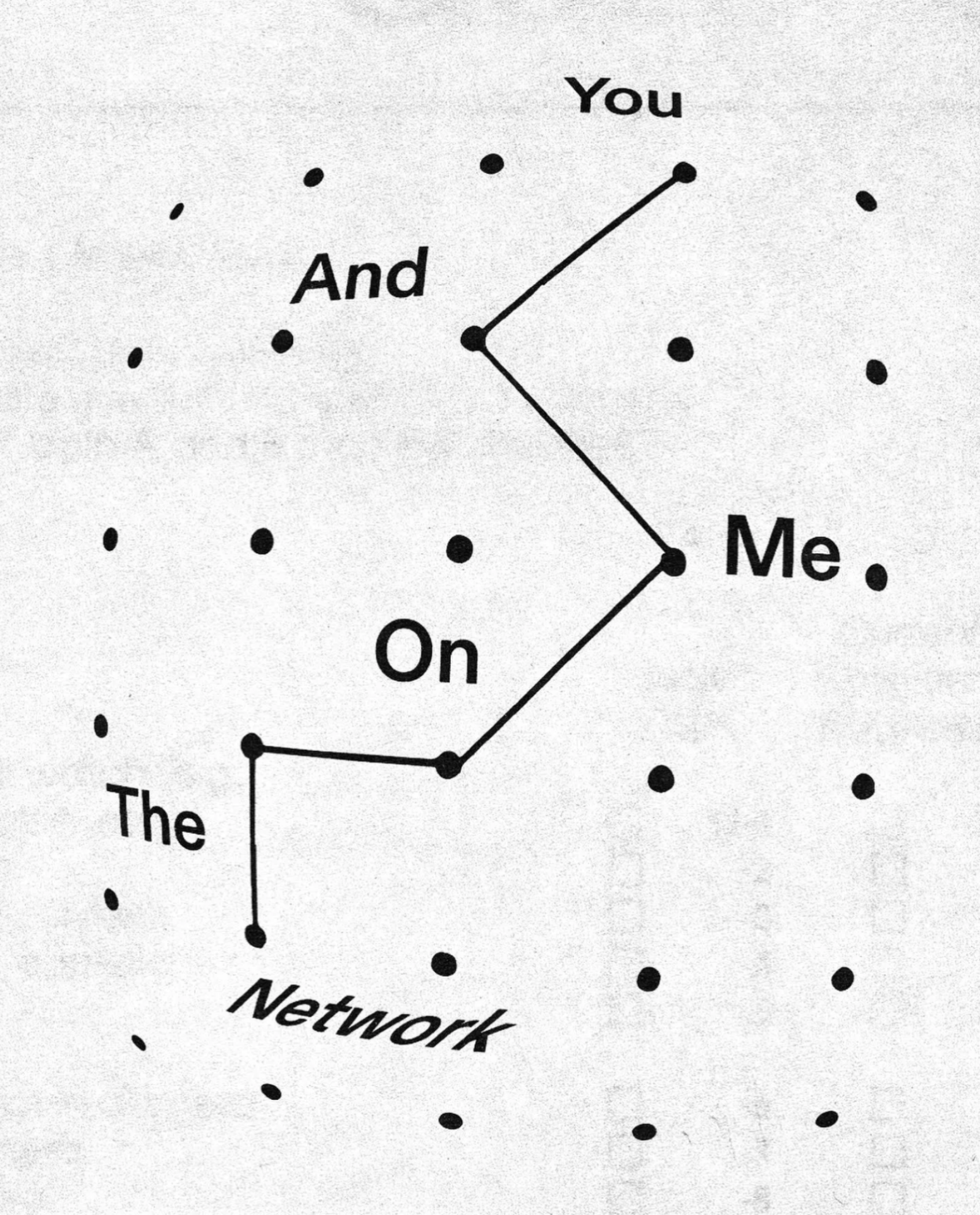
  • ways & workings: Our unique navigation system, structuring content by themes, methods, and learning environments, enabling rhizomatic connections across projects and contributors.
  • soc blog: A dedicated process-space for participants to publish project development, outcomes, and reflections throughout the programme. Contributions encompass a wide range of formats, including transcribed lectures, zines, letters, workshop summaries, and more.
  • soc in context: Highlights works produced by the SoC alumn* network, partners, team, and wider ecosystem that inform or evolve from SoC’s learning environment, including exhibitions, workshops, albums, publications, and affiliated projects.
  • reading room library: An evolving, open-source curriculum comprised of publications, manuals, and reading lists curated by the community.

Projects

Highlights transdisciplinary collaborations and ongoing dialogues within and beyond Switzerland. Features partnerships with like-minded organizations and showcases the expansion of research through practical application and collective inquiry.

Community

Showcasing the diverse network and porous boundaries between learning, teaching, and public engagement, this section acts as a living directory of current and former participants, contributors, and collaborators. Reflects the distributed and porous nature of the SoC network, making visible the many voices that shape our ecosystem.

About

Provides context on SoC’s mission, history, values, and structure. Offers insight into our foundational approach to commons-based learning and the people who have shaped our journey.

My SoC

A dedicated portal for participants to log in and access internal resources, schedules, materials, and communication tools essential for their participation in SoC. Supports autonomous navigation and engagement within the learning environment.
References

  • Basu, A. (2020). Digital gardens let you cultivate your own little bit of the internet. Wired.
  • Deleuze, G., & Guattari, F. (1987). A Thousand Plateaus: Capitalism and Schizophrenia. University of Minnesota Press.
  • Popova, M. (2021). Mapping the terrain of meaning: A digital garden in practice. Brain Pickings archive.
  • Zhu, M. (2020). Digital gardens: Second brain as public garden.

Odes and Registers: The In-Between of Becoming Public

The process of making knowledge public at SoC is marked by interpretation, translation, and the in-between—where worlds are pulled together, sometimes colliding, always evolving. This liminal space is where individual contributions become collective assets, and where the boundaries between private reflection and public knowledge are negotiated.

Chantelle Lue

Since 2023, Chantelle has been part of the leadership team at the School of Commons, Zürcher Hochschule der Künste (ZHdK), overseeing the Communications and shaping Public Program.

Project Stewardship and Creative Direction: Chantelle Lue Website and Identity: Mark El-Khatib Development and Programming: Richard Cool Wireframing: Chantelle Lue, Dylan Spencer-Davidson Guidance and Insights: Marea Hildebrand, Amy Gowen, Jelena Mair, Gabriel Hensche