TANTDILE Xperimenta Lab

Likon’yor - Bete language (Nigeria)’

translates to English Language “there is a lot to be said”

A sonic intervention grounded in decolonial theory and African-centered and Indigenous epistemologies, Likon’yor explores ephemeral memorials and living archives as counter-sites of knowledge production. Drawing from the work of thinkers such as Achille Mbembe and the collective praxis of Chimurenga, the project interrogates colonial temporalities and epistemic hierarchies by transforming the oral, the transient, and the unseen into a shared, audible commons.

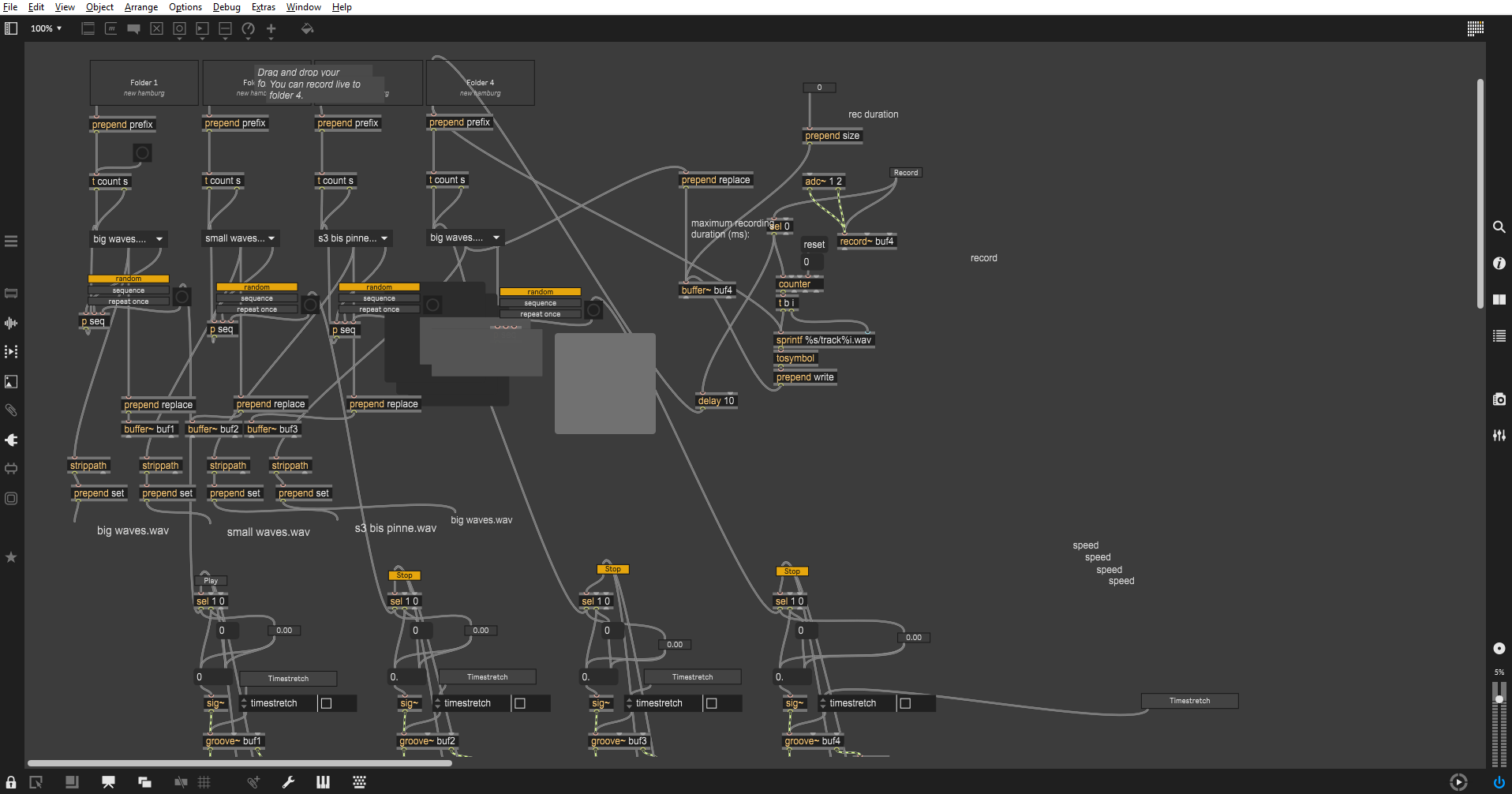
Focusing on oral traditions and its application to current realities, Likon’yor enacts an African Indigenous hermeneutics where sound and storytelling are treated as ontological acts rather than supplements to written history and the use of advanced interactive sonic technology similar to sampling. Inspired by Chimurenga’s commitment to collective memory, heritage here is understood as unfinished and continually re-authored. As Tricia Rose observes, hip-hop sampling operates as “a means of archival research, a process of musical and cultural archaeology” (Rose, 1994), a logic that informs the project’s sonic methodology.

Adam Haupt reminds us that decolonisation requires a process of “de-Hollywoodising,” noting that throughout the twentieth century, widely shared images, (sound) and symbols were filtered through concentrated cultural industries (Haupt, 2012, p.38; Benkler). Likon’yor responds by appropriating, rather than rejecting, technological infrastructures “capturing globalisation” and repurposing imperial strategies for decolonial ends (Haupt, 2012, p.40).

Within this framework, information “wants to be free” (Thomas, 2002; Haupt, 2012), circulating as an immaterial, electronic style; ephemeral, communal, and resistant to ownership. In contrast to colonial mass production, Likon’yor insists on peculiar and authentic shared experiences that refuse fixed labels, enabling communal memory making beyond dominant regimes of classification (Hebdige, 1979).

Likon’yor I

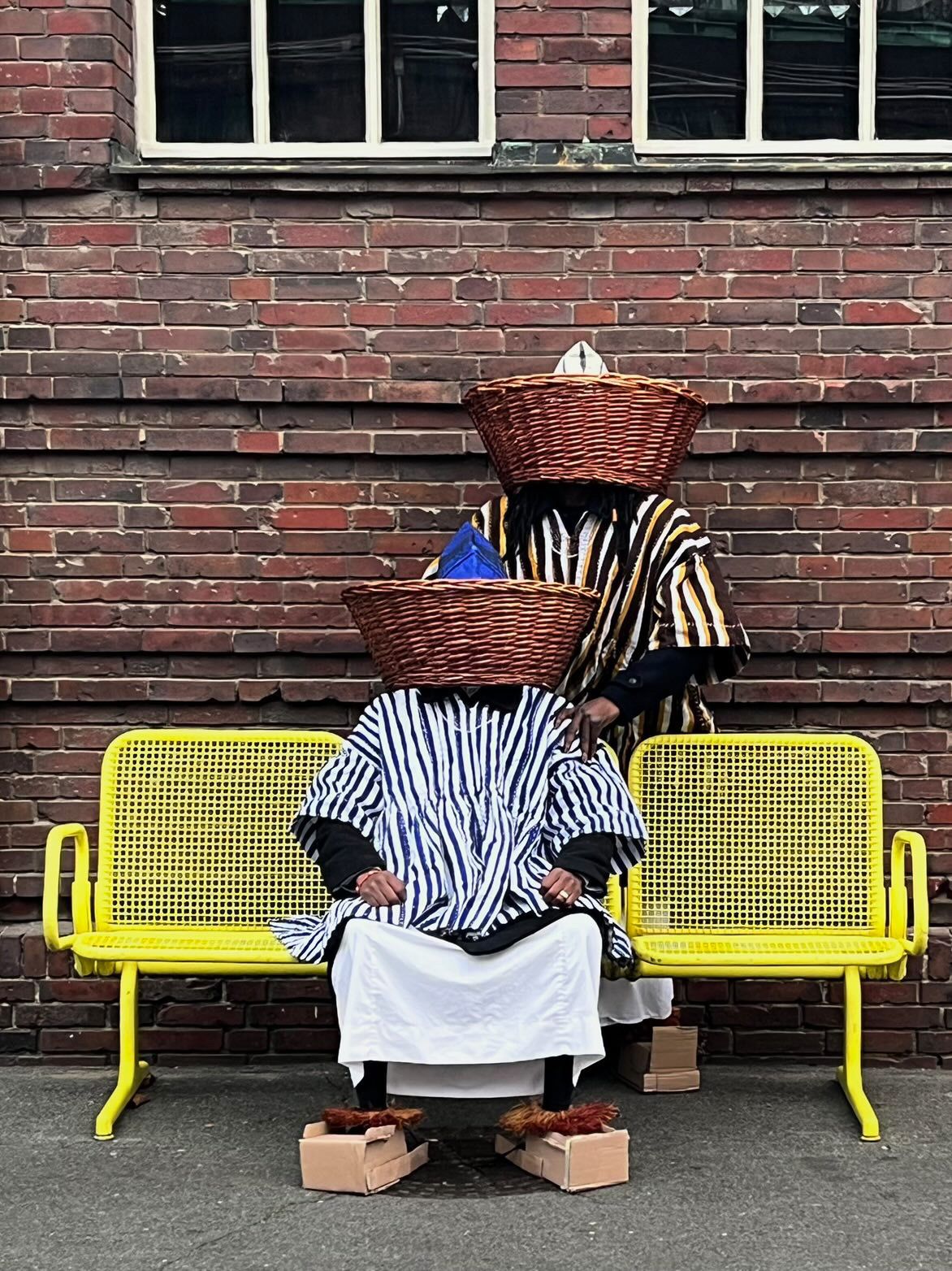
Likon’yor I

Two bodies, two heads, faces hidden inside woven baskets. present, yet unreadable. baskets carrying more than heads; they carry memories like the wind clothes flow like language inherited down without writings the bench becomes an altar of waiting, as the wind carries the knowledge.

BOATS IN A BASKET is a reflection on movement and stillness, rest and survival, control and surrender, the illusion of freedom and the necessity of servitude.

Likon’yor II

Likon’yor II

Standing still. Fleeting time. Static bodies, city in motion, refusing urgency, anchored to an alternate rhythm.Resistance through pause,Time isn't linear. It alternates and oscillates.

MaxMSP Patch Screenshot

MaxMSP Patch Screenshot

Jere Ikongio

Jere is a Lagos/Berlin-based artist working with performance, and immersive art to examine infrastructure, hyper-identity, marginalized histories, memory and the socio-political landscapes of cities, notably Lagos and Berlin, through installations that recontextualize public and personal archives.

Tantdile is a digital and interdisciplinary artist collective based in Ibadan, Nigeria, working at the intersection of art, social inquiry, and public engagement. The collective develops socially and politically situated projects that foreground participation, collaboration, and immersive encounter as core artistic strategies.

The collective brings together practitioners working across performance, new media, sound, installation, and participatory art. Operating through an interdisciplinary framework, Tantdile curates artistic processes and public-facing sessions that interrogate the contemporary human condition, examining socio-political structures, and systems of life shape lived experience.

Tantdile believes that artistic growth is strengthened through collective thinking, critical dialogue, and peer-based evaluation. By cultivating a space where ideas and perspectives are continuously negotiated, the collective supports artistic practices that are shaped not only by individual authorship but through relational and communal processes.